
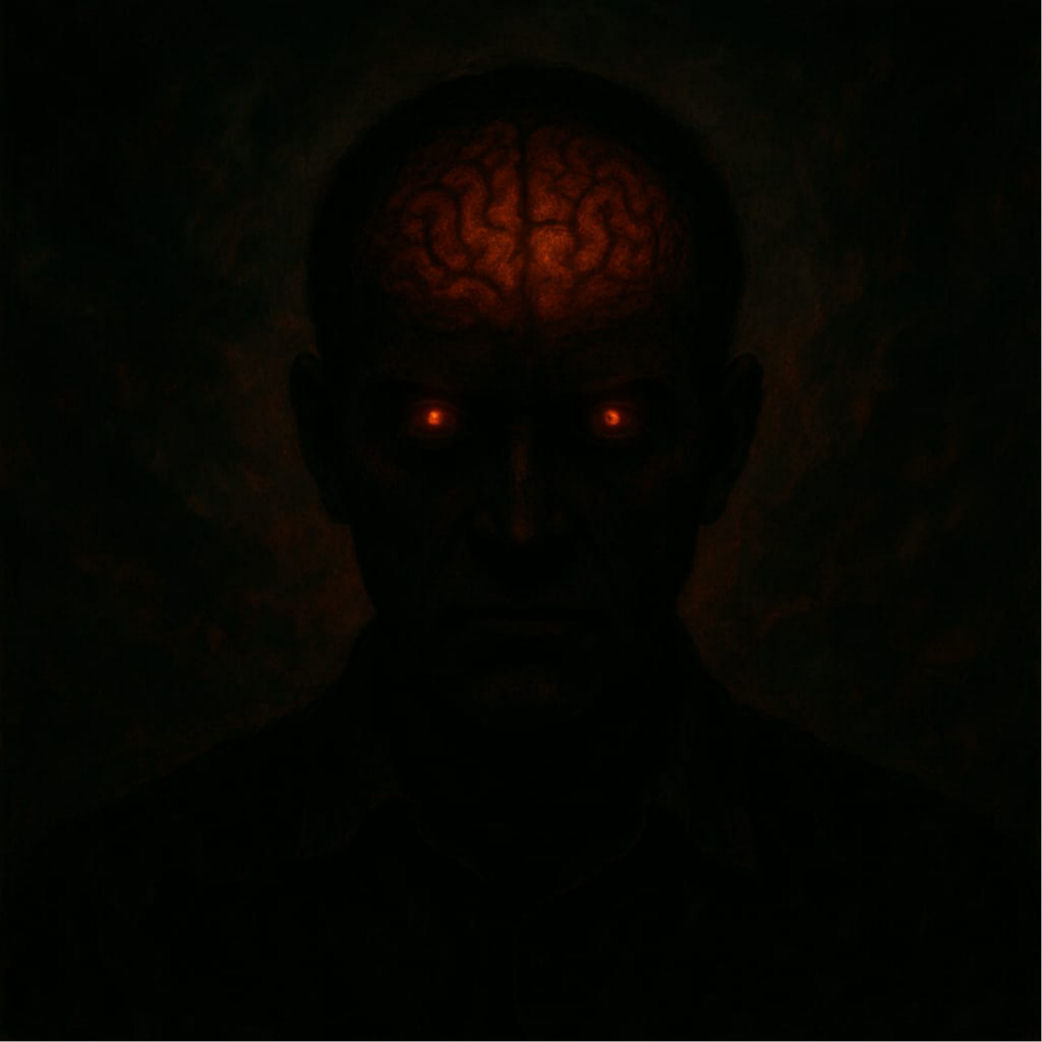
We both initially believed that a stalker was likely to be an exceptionally intelligent individual. However, after discussing the matter with several Profilers, we learned this is not always the case. In reality, such a person might very well be sitting alone in a dimly lit room, possibly wearing a dirty old tracksuit, and perhaps neglecting basic hygiene like showering. They often exhibit clear signs of narcissism and lead an isolated, solitary existence. While their behavior may evoke some degree of pity, it is also often rooted in feelings of resentment or perceived wrongs inflicted upon them by others.
The Impact of a Stalker on Daily Life
Dealing with a stalker can have profound and far-reaching effects on an individual’s daily life. The constant fear and anxiety resulting from being stalked can disrupt routines, strain relationships, and have long-term emotional and psychological repercussions. Below are some of the ways a stalker can impact daily life:
1. Emotional and Psychological Distress
- Victims often experience heightened levels of anxiety, fear, and paranoia, constantly feeling unsafe or watched.
- Stress and emotional trauma can lead to depression, insomnia, or post-traumatic stress disorder (PTSD).
- A persistent sense of helplessness and loss of control can severely affect mental health.
2. Disruption of Personal Routines
- Victims may change their schedules, avoid certain places, or alter daily habits to avoid encounters with the stalker.
- Simple activities like going to work, running errands, or socializing can become overwhelming or feel unsafe.
- Isolation from friends or loved ones is common, as victims may withdraw to protect others or avoid public exposure.
3. Impact on Relationships
- Relationships can become strained as loved ones may not fully understand the victim’s fears or the seriousness of the situation.
- The stalker’s behavior may also target or involve the victim’s close network, creating tension and stress within these relationships.
- Trust issues may arise, making it difficult for victims to establish or maintain new relationships.
4. Professional and Financial Consequences
- Anxiety and stress from being stalked can negatively affect work performance, concentration, and productivity.
- Some victims may feel the need to change jobs or relocate, resulting in financial strain or career setbacks.
- Legal actions, such as filing restraining orders or seeking professional help, may also incur financial costs.
5. Physical Health Effects
- Chronic stress and fear can lead to physical symptoms, including headaches, digestive issues, or a weakened immune system.
- Sleep disturbances caused by anxiety can further compromise physical health and well-being.
- In extreme cases, victims may face direct physical harm from confrontations with the stalker.
6. Loss of Personal Freedom
- Victims often feel a loss of independence and autonomy, constantly second-guessing their actions and movements.
- They may invest in security measures, such as surveillance cameras or personal alarms, to feel safer.
- The inability to live life freely and without fear can have a lasting impact on overall quality of life.


This rock